
Lessons From Rumi
A place to meet yourself.

Being Presence is a free, weekly-ish newsletter supported by readers like you. To receive letters straight to your inbox and support my work, please consider subscribing. If any part of these letters resonates, you’re welcome to share or repost them on social media. Your presence, whether through reading, subscribing, interacting, or sharing, helps keep this creative current alive and growing. Thank you for being here.
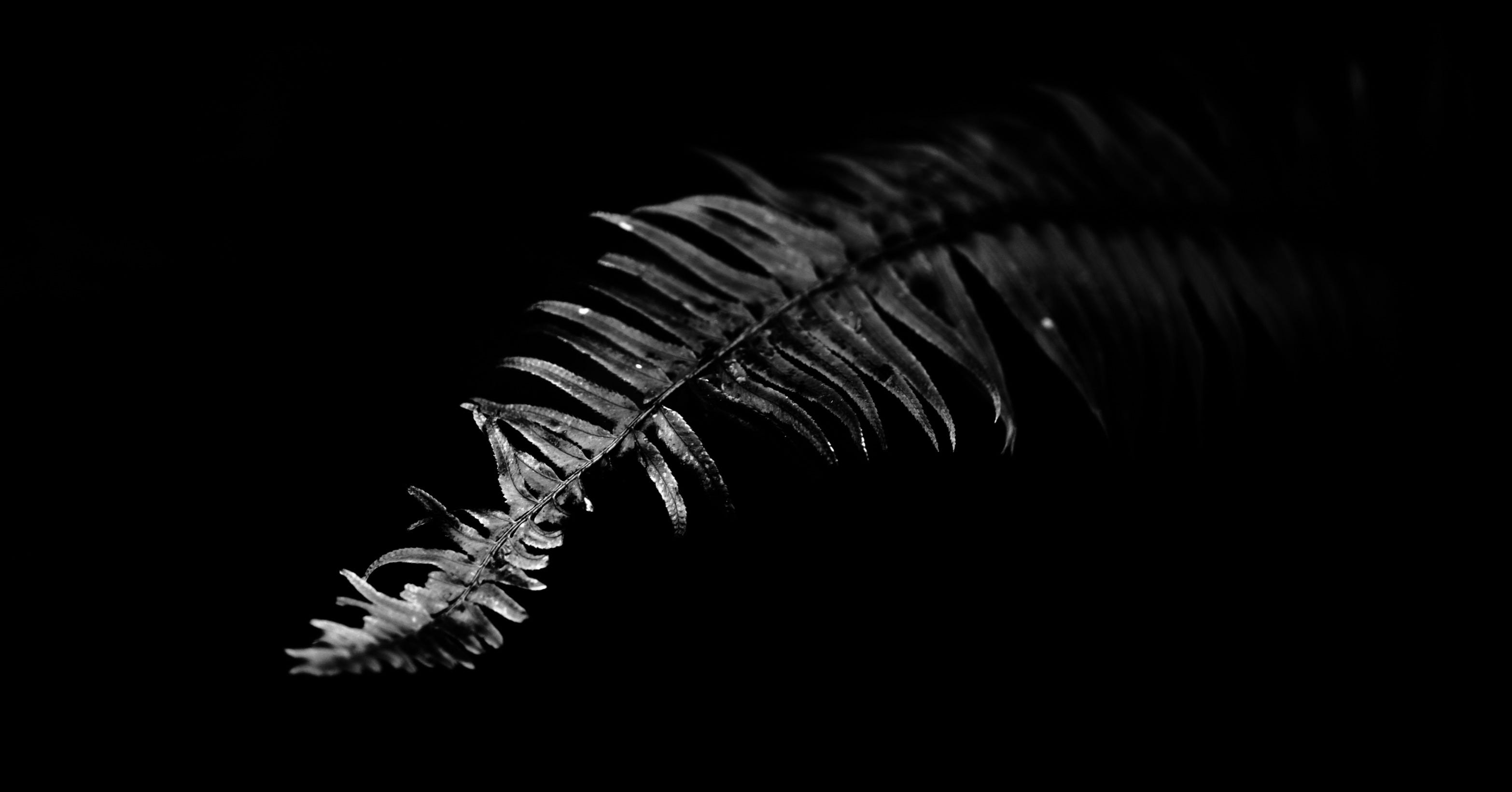
"The wound is the place where the Light enters you."
Familiar as it may be, this quote from Rumi has never stopped feeling so profound to me.
Pain, of any kind or cause, is often framed as a detour. Something to avoid, erase, or outrun. But what if it’s more like a threshold? Not a blockage or a roadblock, but a doorway.
Pain is not a punishment, but a signal. In that way, the wound, whether literal or metaphorical, becomes more of an opening. An opportunity. One we likely didn’t ask for or intend. One we might still wrestle with accepting. But an opportunity, nonetheless.
The “Light” is however you choose to understand it. Awareness. Love. Grace. Clarity. Soul. At its core, it’s a teacher. And its lessons come in many forms: subtle realizations, quiet noticings, sudden epiphanies, trickles of insight, and the like.
Rumi’s words don’t glorify pain. They don’t suggest we seek out suffering or pretend it’s beautiful. Instead, they gesture toward an egoless truth: the places where we fracture are also where something luminous can emerge. Not because we are broken, but because freedom can be found in our most undone moments, in our rawest vulnerabilities. In these moments, we become permeable. Our edges soften. Our defenses slip. And in that softening, we are closest to hearing the guidance of the soul. A meeting of our earthly self with our truest essence.
But that kind of connection is rarely gentle. It often arrives as upheaval—a disruption of the status quo. It suggests that what hurts may also be what heals, if we’re willing to meet it with curious awareness instead of resistance.
Ironically, it is often awareness itself that stings the most. Once we see, we cannot unsee. What was once unconscious becomes visible. And it is here that transformation becomes possible, not by pushing through but by turning toward.
When met this way, the wound becomes less of a threat and more of a guide. It may not be gentle, but it is always honest. It reveals where we’ve moved out of alignment, where we’ve abandoned ourselves in favor of comfort, control, or familiarity.
Wounds often form at the site of disconnection. Disconnection from our presence, our truth, or the deeper self. Sometimes, healing is simply remembering what we lost touch with in the first place.
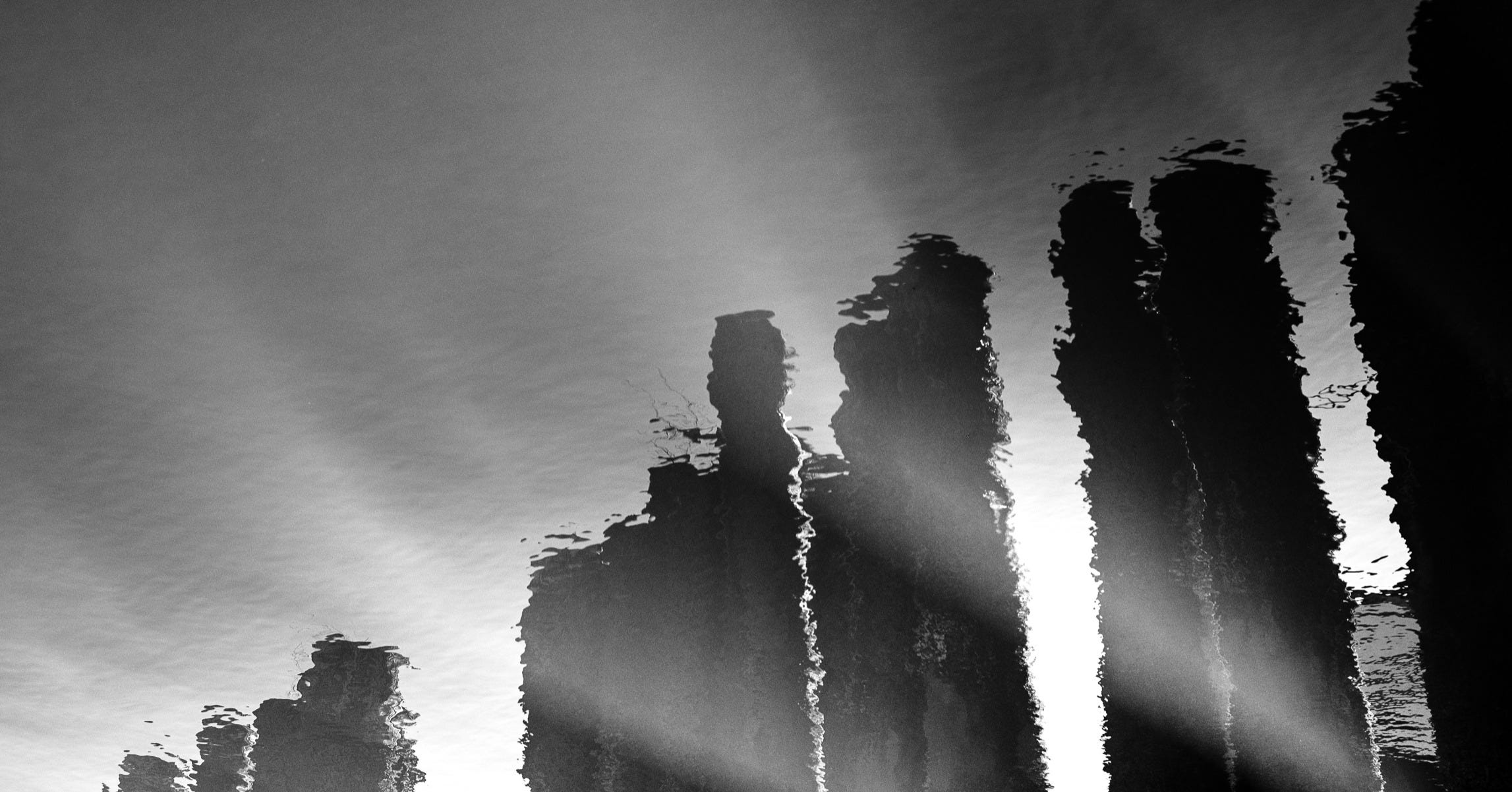
There’s a strange, brilliant intimacy that forms between you and your pain when you stop resisting it. When wallowing can be released, and witnessing can be embraced. When you let the wound speak instead of silencing it. This is “Light”. The moment you become conscious of what you’ve been carrying, and apply that awareness to action. In that consciousness, something shifts. The wound doesn’t vanish. But it changes shape. It becomes the teacher.
And yet, there is a difference between processing pain and feeding into it or becoming it. When we remember that, we stop acting from the wound and begin listening to it. We stop rehearsing the old narrative and start responding to the intelligence moving beneath it.
It’s not about fixing what’s wrong. It’s about returning to yourself, realigned with your inner truth. Stronger not because you bypassed the wound, but because you opened yourself to it, allowing it to lead you. A balancing act of holding tenderness, accountability, and coherence simultaneously.
That’s where the “Light” gets in. Not as a concept, but as a shift. A reorientation. A living sense that something has been learned, and something new is now evolving.
The “Light” doesn’t wait for you to feel ready. It doesn’t require strength or certainty. It moves in the moment you stop performing and start being. Even in the unraveling. Even in the ache. Even in the hollow space where an old identity once lived.
It is anything but comfortable as it asks you to remain open, even when it hurts, especially when it hurts. And this could be what Rumi meant. The wound is an opening to an inner truth you weren’t able to access until it split you open.
With gratitude,
Ashley
Not subscribed yet?
You can sign up here if you’d like these free weekly-ish letters to arrive in your inbox.